
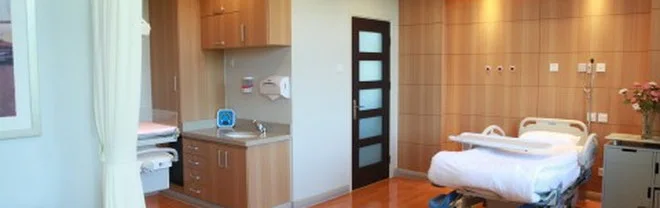
Beijing
New Century Women's and Children's Hospital
Women's & children'sWomen's and children's hospital option in Beijing. Ask which specialists and HIFU services are available for your case.

Non-surgical fibroid options in China
Typically $8,000–12,000, versus $30,000–50,000 privately in the US or UK.
Severe Pain & Menstrual Suffering
Debilitating cramps and heavy bleeding that disrupt your life, month after month.
Fear of Surgery & Physical Trauma
You want to understand your options before choosing a procedure that may involve anaesthesia or incisions.
Fertility & Future Pregnancy Plans
You want to understand how each option may affect future pregnancy plans.
Facing Uterus Removal, Desiring Preservation
Advised to undergo a hysterectomy, but you strongly wish to preserve your uterus intact.
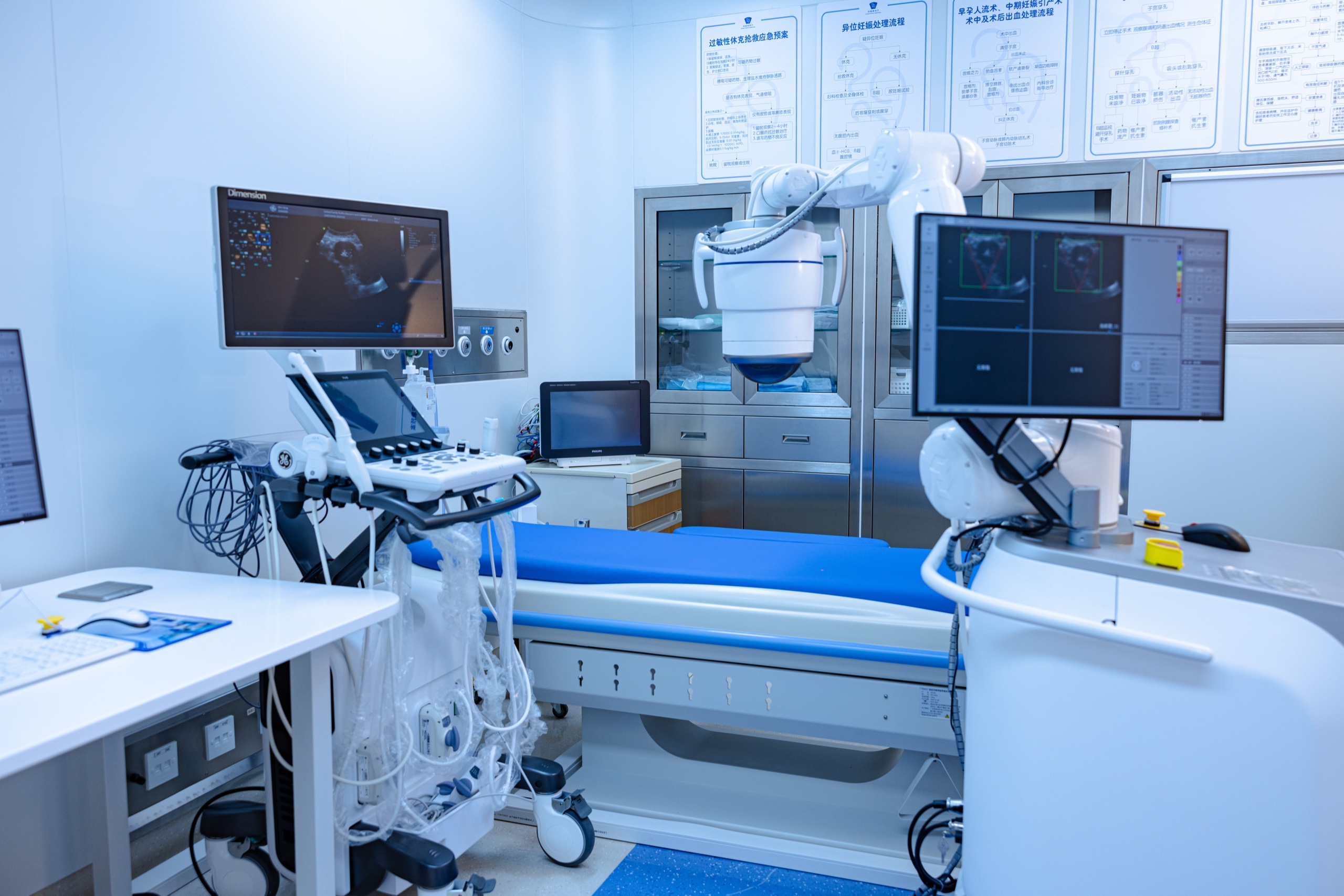
Non-invasive technology

Benefits of non-invasive care
The procedure uses focused ultrasound without a skin incision or removal of the uterus. Your hospital explains its own sedation and monitoring plan.
Hospital stay and return to daily activity vary with your condition, procedure and recovery. Ask the team what to plan for.
HIFU does not involve a sutured uterine incision, but effects on fertility and future pregnancy remain uncertain. Discuss plans with a specialist.
Treatment aims to relieve symptoms such as heavy bleeding, period pain and pelvic pressure. Symptoms may persist or return, so ask about follow-up and other options.
Individual results vary. Your specialist confirms suitability and treatment timing.
A planning overview; the hospital confirms the actual steps for your case.


A global view of the technology, alongside the published NICE guidance. Treatment suitability and outcomes depend on individual assessment.
600,000+
Treatments worldwide, per internal industry figures
20 years
Of focused ultrasound development and use
30+ countries
Where the technology has been used, per internal industry figures
NICE 2019
Guidance on ultrasound-guided HIFU for uterine fibroids
Considering care in China? Compare hospital assessment, language support and travel arrangements in Beijing, Shanghai and Shenzhen.
Beijing
Women's and children's hospital option in Beijing. Ask which specialists and HIFU services are available for your case.
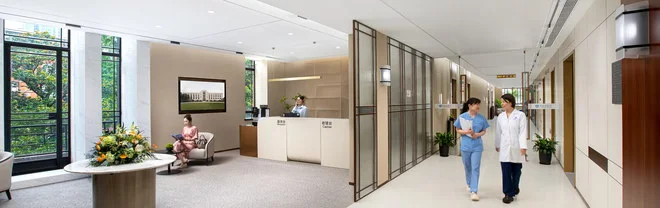
Shanghai
Shanghai hospital options. Confirm the treating team, available room category and international patient support before booking.
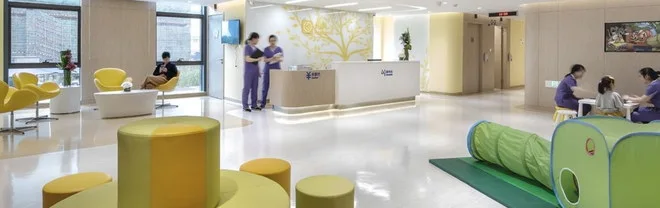
Shenzhen
Confirm the treatment site and attending specialist with the hospital before booking.


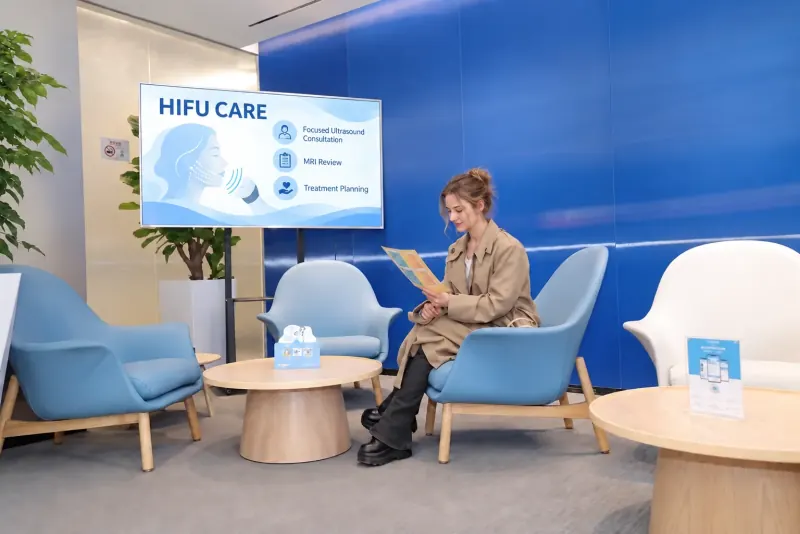

Understand what happens before travel, at the hospital and after returning home.
Contact us first to confirm which records the hospital needs and how to share them.
The hospital outlines proposed care and estimated fees, while our team helps prepare travel documents.
Complete hospital tests and consultation, with transfers and bilingual communication support arranged as needed.
Leave with discharge records, review schedule and an agreed channel for sharing follow-up reports.
How we help
Specialist appointments: We help you confirm the available specialist and appointment timing before you book travel.
A plan based on your imaging: The hospital tailors the plan to your diagnosis, your imaging and your plans for children.
Help with paperwork: We help you confirm payment options and ask the hospital about insurance arrangements, if relevant.
Indicative price comparison
Indicative USD range; actual fees vary by provider, procedure and insurance coverage.
Indicative USD range; the hospital confirms the itemized fees and included services after reviewing your case.
For comparison only. Final fees and inclusions are subject to the hospital's written estimate for your case.
Request itemized treatment estimate
MentiFem helps women considering care in China understand their options, arrange hospital assessments and plan their visit.
We help you prepare questions about treatment, travel and follow-up. Hospital specialists make all clinical decisions, and your priorities remain central to the conversation.
Fibroids: HIFU may suit intramural, subserosal and selected submucosal fibroids, whether single or multiple, when the lesion is at least 2 cm and has a safe ultrasound path. It is worth considering if heavy or prolonged periods, anaemia, pelvic pressure, urinary frequency or constipation affect you, or if you want to preserve your uterus or have fibroids after a previous myomectomy.
Adenomyosis: Both focal adenomyoma and diffuse adenomyosis can be assessed for HIFU, with relief of painful or heavy periods and chronic pelvic pain as the goal. It may also be an option if medication is hard to tolerate or a Mirena device has been expelled. Your doctor can use your imaging and symptoms to advise whether HIFU suits you.
Fibroids: HIFU can ease heavy or prolonged periods and pressure symptoms such as pelvic fullness, lower back discomfort, urinary frequency and constipation. Anemia may improve as bleeding falls, though it may also need separate treatment.
Adenomyosis: HIFU can relieve painful or heavy periods, chronic pelvic pain and pain during sex. Some patients also see a reduction in uterine size. Your doctor can tell you which symptoms are most likely to improve in your case.
Fibroids (from better to more challenging candidates): Intramural and broad-based subserosal fibroids often respond well. With multiple fibroids, treatment can focus first on the larger lesions causing symptoms. Fibroids that appear after laparoscopic or open myomectomy are also worth assessing, since HIFU does not require another abdominal operation; the scar and ultrasound path still need checking. For 5–10 cm fibroids, GnRH-a may be used first to reduce size; those over 10 cm may be assessed for treatment in stages. Small, thin-stalked submucosal fibroids under 3 cm are often better treated by hysteroscopy.
Adenomyosis: A well-defined focal adenomyoma is easier to target; for diffuse adenomyosis, the goal is symptom relief rather than complete removal. Treatment may reduce uterine size and may help with Mirena retention. Cellular, T2-bright or very vascular fibroids are more challenging and may need medication beforehand. Your doctor can assess the likely response from your imaging.
HIFU treats the fibroid without an abdominal incision and preserves the uterus. Laparoscopic or open myomectomy removes the fibroid and also preserves the uterus, but new fibroids can develop and symptoms can return after either operation. HIFU can also need further treatment if symptoms persist or return.
The practical differences are whether the fibroid is ablated or removed, whether an incision is needed, and the recovery and risks of each approach. Hysterectomy removes the uterus and therefore the possibility of future uterine fibroids, but it is a different decision from choosing between HIFU and myomectomy. Your doctor can compare these options for your lesions and priorities.

Speak with our team about assessment, hospitals and your travel plans.
Have an MRI report or key images? Upload them for a specialist's initial review.